
Public
Understanding the psychology of risk in gambling decisions
Understanding the psychology of risk in gambling decisions
The Nature of Risk in Gambling
Understanding risk in gambling begins with recognizing its inherent nature. Gambling involves uncertainty, where players must weigh potential rewards against possible losses. This dynamic creates a psychological tug-of-war, as individuals grapple with the emotional highs and lows tied to their decisions. The thrill of winning can be intoxicating, often overshadowing the potential for loss, leading many to underestimate the risks involved. Many players find themselves drawn to various platforms that offer enticing options, such as poker websites, which can further complicate risk assessment.
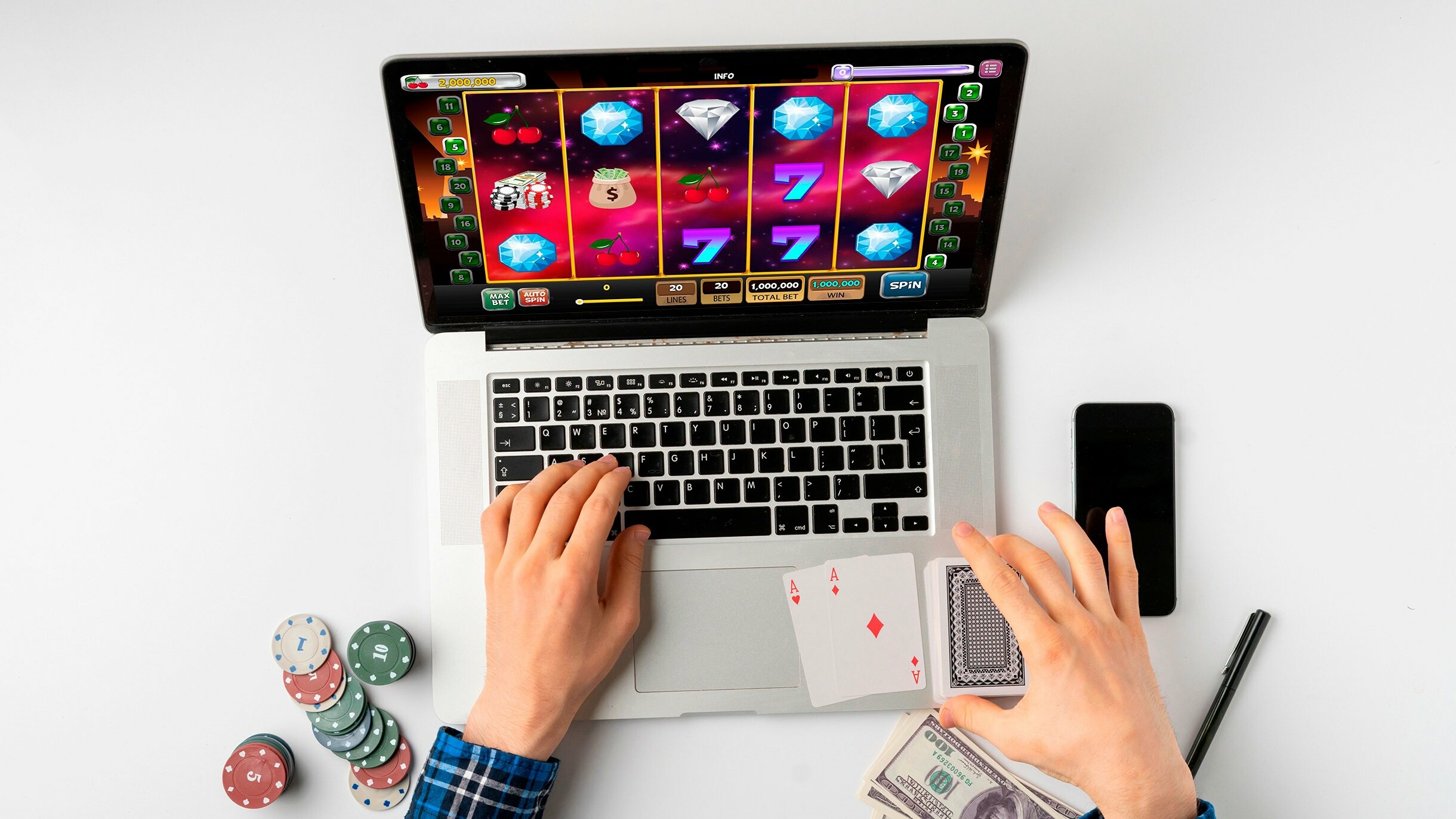
This psychological phenomenon can be attributed to cognitive biases, such as optimism bias, where gamblers believe they are less likely to experience negative outcomes than others. This distortion of reality is further fueled by the social environment of casinos and betting venues, where positive narratives about winning are heavily promoted, enhancing the allure of risk-taking behaviors.
The Role of Emotions in Gambling Decisions
Emotions play a crucial role in how gamblers assess risk. Feelings of excitement and anticipation can cloud judgment, leading players to make impulsive choices. When players experience a winning streak, their emotions can create a false sense of invincibility, encouraging them to bet more aggressively. Conversely, losses can evoke feelings of frustration or desperation, prompting some to chase their losses in a futile attempt to regain control.
Understanding how emotions influence risk perception is vital for responsible gambling. By acknowledging these emotional triggers, individuals can better regulate their gambling behaviors, reducing the likelihood of making irrational decisions driven by short-term feelings instead of long-term strategies.
Decision-Making Processes in Gambling
The decision-making process in gambling is often complex and multifaceted. Factors such as personal experiences, situational context, and cognitive biases shape how individuals evaluate risk. Gamblers may rely on heuristics—mental shortcuts that simplify decision-making—leading to various inaccuracies in assessing probabilities and outcomes.
For instance, the availability heuristic can cause gamblers to overestimate the likelihood of winning based on recent successes or media portrayals of big wins. This skewed perception can lead to increased risk-taking, as players may feel that they are due for a win after a series of losses, ignoring the statistical reality of their odds.
The Influence of Environment on Gambling Behavior
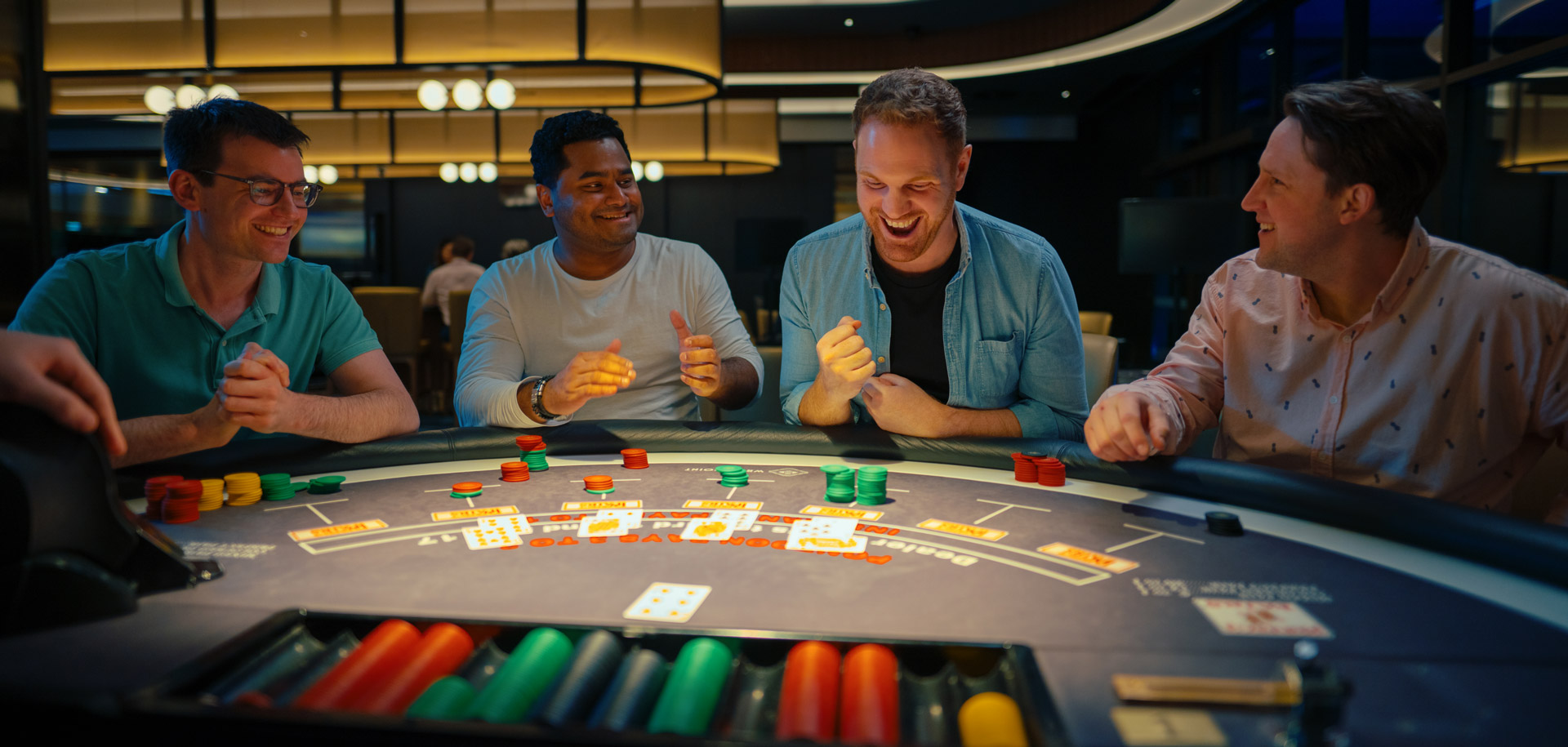
The gambling environment significantly impacts risk-related decisions. Factors such as the design of a casino, the presence of other players, and even the sounds and visuals of gaming machines can create an immersive atmosphere that affects how risks are perceived. Casinos are designed to keep players engaged, often using bright lights and celebratory sounds to reinforce the idea of winning.
Moreover, social influences play a substantial role in risk-taking behavior. Gamblers may feel compelled to conform to the expectations of their peers, which can amplify risk-taking in group settings. This social dynamic can lead individuals to make decisions they might otherwise avoid, highlighting the need for a critical awareness of external influences when gambling.
Conclusion and Resources for Responsible Gambling
Understanding the psychology of risk in gambling is essential for making informed decisions. By recognizing the emotional, cognitive, and environmental factors that influence risk perception, individuals can approach gambling with greater awareness and caution. Responsible gambling practices are crucial in mitigating the adverse effects of risk-taking behavior.
For those looking to navigate the complexities of gambling psychology, various resources are available online. Support networks, educational materials, and tools for self-assessment can aid individuals in making healthier choices. By equipping themselves with knowledge, gamblers can enjoy the excitement of their experience while minimizing potential risks.
About Author

Leave a reply